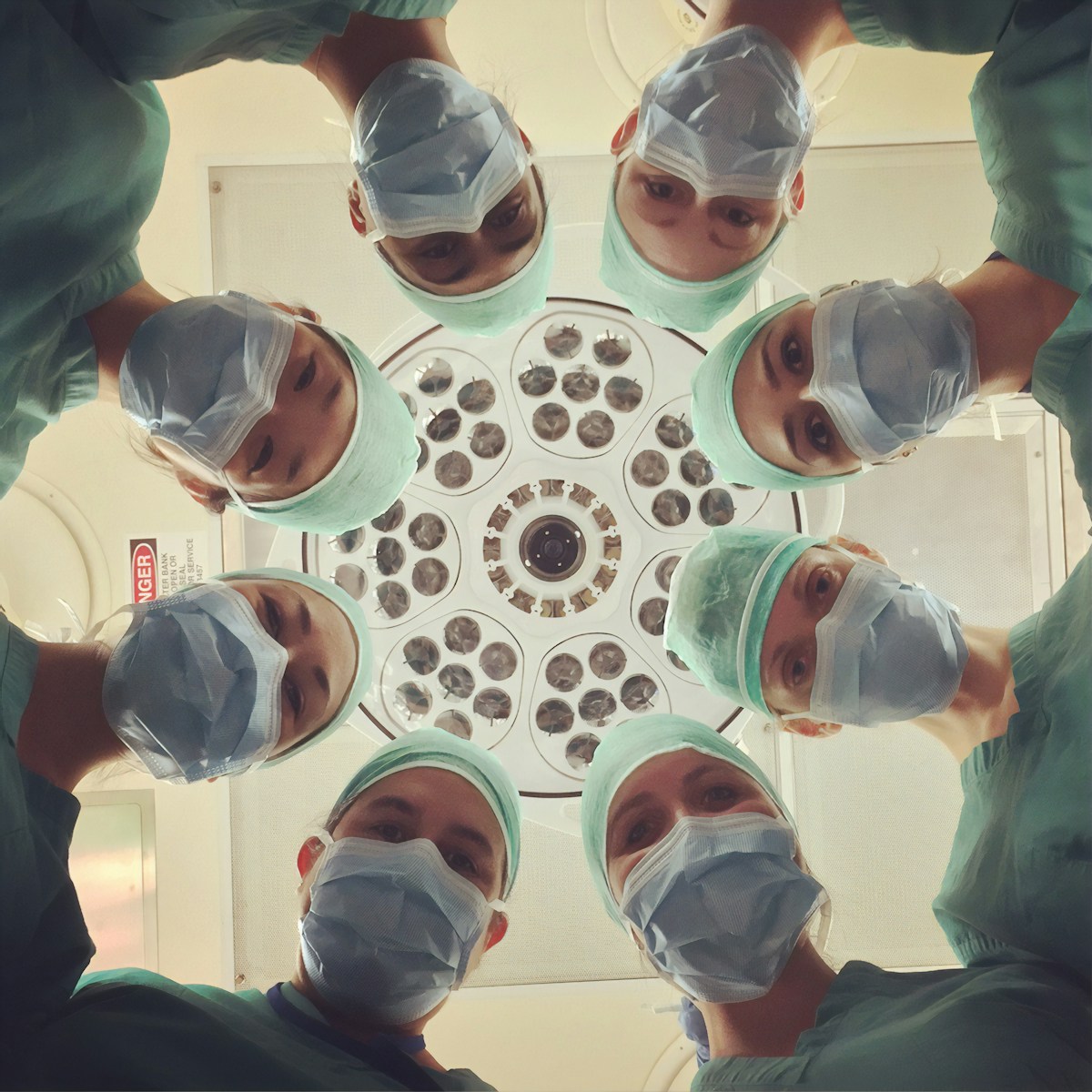
Australia is one of the world’s best destinations for healthcare professionals. With a rapidly growing population, an increasing elderly demographic, and ongoing staff shortages, the country is experiencing record demand for skilled nurses, medical specialists, and allied health workers.
Healthcare is now Australia’s largest employing industry, and salaries continue to rise — with many roles paying $90,000 to $150,000+ per year. For nurses and healthcare workers seeking high-paying roles, career growth, and potential pathways to permanent residency, Australia offers unmatched opportunities.
In this guide, we explore the Top 10 High-Paying $99k+ Healthcare and Nursing Jobs in Australia, their salary ranges, responsibilities, requirements, and why these roles are in huge demand in 2025. This article is designed for both local and international job seekers who want to pursue a rewarding, stable, and lucrative career in the Australian healthcare system.
Why Healthcare Jobs in Australia Pay So Well
Before diving into the top-paying roles, it’s important to understand why healthcare salaries in Australia are rising quickly:
✔ Severe workforce shortages
The Australian government predicts a shortage of 85,000 nurses by 2025, rising to 123,000 by 2030.
✔ Ageing population
More Australians are living longer, requiring more hospital, aged care, and community care services.
✔ Expansion of private healthcare
More private hospitals and clinics mean more job openings and competitive wages.
✔ High cost of living adjustments
Healthcare professionals receive regular salary adjustments to meet rising living standards.
✔ Regional incentives
Rural and remote areas offer higher pay, relocation bonuses, and visa sponsorship due to urgent staffing needs.
Because of these factors, many healthcare roles now exceed $99,000 per year — especially with overtime and shift penalties.
Top 10 High-Paying $99K Healthcare & Nursing Jobs in Australia
Below are the highest paying roles for nurses and healthcare workers in 2025.
1. Nurse Unit Manager (NUM) – $120,000 to $155,000+
A Nurse Unit Manager oversees the operation of a hospital ward or clinical department. This is one of the most senior and best-paying nursing roles in Australia.
Responsibilities:
- Managing patient care delivery
- Supervising and leading nursing staff
- Budgeting, rostering, and reporting
- Ensuring safe clinical practices
- Collaborating with multidisciplinary teams
Requirements:
- Registered Nurse (AHPRA)
- 5+ years clinical experience
- Leadership/management training
Why It Pays High:
NUMs carry huge responsibility for staff performance, patient safety, and daily ward operations — a role requiring advanced skill and leadership.
2. Clinical Nurse Specialist (CNS) – $100,000 to $130,000
A Clinical Nurse Specialist is an advanced practice nurse with deep expertise in a specific clinical field.
Specialisations include:
- Intensive Care
- Oncology
- Mental Health
- Emergency Department
- Diabetes Education
- Palliative Care
What They Do:
- Provide expert clinical support
- Deliver complex patient care
- Educate junior nurses
- Support care coordination
- Lead evidence-based practice improvements
Why It Pays High:
CNS roles require strong experience, speciality training, and advanced clinical knowledge.
3. Registered Nurse (RN) – $90,000 to $120,000+ (with overtime)
Registered Nurses are the backbone of Australia’s healthcare system and are in extremely high demand.
Typical RN Roles:
- Acute/Medical wards
- Surgical wards
- ED/ICU
- Theatre nursing
- Aged Care
- Community nursing
Why They Earn $99k+:
In Australia, nurses receive:
- Penalty rates
- Shift allowances
- Weekend and public holiday rates
- Overtime bonuses
These can easily push earnings above $100k per year.
4. Mental Health Nurse – $100,000 to $135,000
Australia faces a growing mental health crisis, increasing demand for experienced mental health nurses across hospitals, psychiatric facilities, and community services.
Duties Include:
- Supporting patients with mental health disorders
- Crisis assessment and intervention
- Medication administration
- Behavioural management
- Working with psychologists, psychiatrists, and social workers
Why It Pays High:
Shortage of mental health professionals + high-stress environment = stronger salaries.
5. Nurse Practitioner (NP) – $130,000 to $165,000
Nurse Practitioners are advanced nurses who can diagnose, prescribe medications, and manage patient treatment plans independently.
They work in:
- GP clinics
- Emergency departments
- Rural and remote hospitals
- Community health centres
NPs Are Paid Highly Because:
They perform similar duties to doctors in many settings and fill vital gaps in remote hospitals.
6. Midwife – $95,000 to $130,000
Midwives are essential in Australia’s maternity services. With rising birth rates and workforce gaps, they enjoy excellent pay and job security.
Responsibilities:
- Antenatal and postnatal care
- Labour support
- Conducting births
- Monitoring mother and baby health
- Educating families
Why It Pays High:
Midwifery requires advanced clinical skills and involves physically and emotionally demanding work.
7. Aged Care Clinical Nurse – $95,000 to $125,000
Australia’s aged care sector is expanding quickly, with many nursing roles now paying above $100k due to shortages and strict government regulations.
Duties:
- Supervising care staff
- Managing resident clinical needs
- Wound care
- Medication administration
- Care planning and audits
Why It Pays High:
Aged care reforms require more skilled professionals, raising salaries and incentives.
8. ICU / Critical Care Nurse – $110,000 to $145,000
ICU nurses work in high-pressure environments where patients require constant monitoring.
What They Do:
- Manage life-support systems
- Administer critical medications
- Assess unstable patients
- Work closely with doctors
- Respond to emergencies
Why ICU Nurses Earn More:
Intensive training, high stress, and specialised expertise justify the higher pay.
9. Theatre / Perioperative Nurse – $100,000 to $130,000
Theatre nurses are vital in surgical teams and work across pre-op, intra-op, and post-op care.
Responsibilities:
- Preparing surgical equipment
- Assisting surgeons
- Monitoring patients during anaesthesia
- Post-surgery recovery care
Why It Pays High:
Surgical procedures are complex, and theatre staff must maintain the highest clinical standards.
10. Remote Area Nurse (RAN) – $120,000 to $170,000
Remote Area Nurses work in rural and outback communities, often with limited resources and higher responsibility.
Typical Locations:
- Northern Territory
- Western Australia
- Queensland Outback
- Remote Indigenous communities
Responsibilities:
- Emergency care
- Chronic disease management
- Community health education
- Medication and immunisations
- Acting as first responder
Why Remote Area Nurses Are Paid the Most:
They work in harsh conditions with limited support and must handle a wide variety of medical situations independently. Remote roles also come with:
✔ Free accommodation
✔ Travel allowances
✔ Retention bonuses
✔ Higher salary loading
Additional High-Paying Healthcare Roles
While the top 10 roles stand out, the Australian healthcare industry offers many other high-paying opportunities above $99k.
11. Occupational Therapist – $85,000 to $120,000
12. Physiotherapist – $90,000 to $125,000
13. Radiographer – $95,000 to $130,000
14. Sonographer – $120,000 to $160,000
15. Speech Pathologist – $85,000 to $115,000
16. Pharmacist – $95,000 to $130,000
17. Dietitian – $80,000 to $110,000
All these roles are currently in extremely high demand.
States in Australia With the Highest Healthcare Salaries
1. Northern Territory – Highest salaries
Remote conditions = big salaries, bonuses, and free housing.
2. Western Australia
Strong mining industry drives higher wages.
3. New South Wales
High living costs mean higher wage brackets.
4. Queensland
Large regional network creates more job openings.
Why International Nurses & Healthcare Workers Choose Australia
Australia is one of the most attractive destinations globally due to:
✔ High salaries
✔ Excellent working conditions
✔ Career progression
✔ Strong union protection
✔ Visa sponsorship options
✔ Pathway to permanent residency
✔ Work-life balance
International nurses especially benefit from:
- Employer-sponsored visas (482, 186, 187)
- Skilled Independent Visa (189)
- Skilled Nominated Visa (190)
- Regional Visa (491)
Once registered with AHPRA, nurses can enjoy stable long-term careers.
Skills in Shortage: Roles Australia Wants Most
According to the 2025 Skills Priority List, Australia urgently needs:
- Registered Nurses
- Midwives
- Mental Health Nurses
- Aged Care Nurses
- Emergency Nurses
- Physiotherapists
- Sonographers
- Radiographers
- Psychologists
- Disability Support Workers
This is one of the strongest hiring periods in Australia’s history.
How to Boost Your Chances of Getting a $99k+ Healthcare Job
✔ Get AHPRA registration
This is essential for nurses and allied health workers.
✔ Gain specialisation
ICU, aged care, mental health, and theatre are the highest-paying fields.
✔ Consider rural or remote work
Better salaries + incentives + faster visa sponsorship.
✔ Take professional development courses
Australia values continuous education.
✔ Apply through reputable agencies
Examples:
- Healthcare Australia
- Alliance Nursing
- Medacs Healthcare
- Randstad Health
- Sugarman Group
Future Outlook: Healthcare Careers Will Keep Growing
Healthcare is expected to grow faster than any other sector in Australia between 2024–2030.
More hospitals, aged care facilities, and community health projects are being built — which means more jobs, higher salaries, and better career security.
Conclusion
Australia offers some of the world’s best-paid and most rewarding healthcare and nursing careers. With salaries for many roles exceeding $99,000 a year, incredible job stability, and clear pathways to permanent residency, it’s no surprise that thousands of professionals choose Australia every year.
Whether you’re an experienced nurse, a recent healthcare graduate, or an international worker planning to migrate, now is the perfect time to explore the opportunities in Australia’s booming healthcare industry.