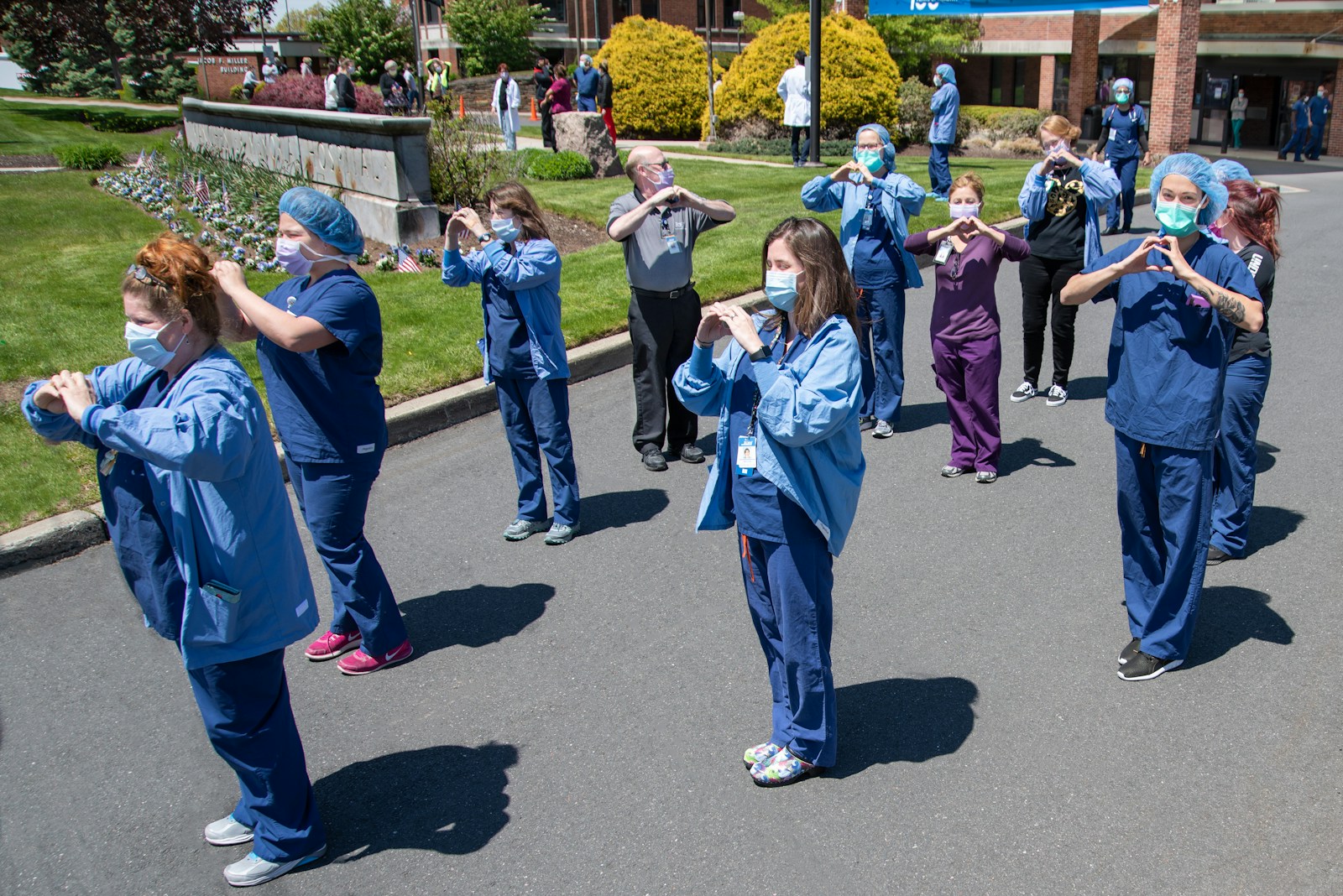
New Zealand is one of the most attractive destinations in the world for healthcare professionals seeking high-paying, stable, and meaningful careers. With a strong public health system, aging population, nationwide staff shortages, and significant government investment in healthcare, many clinical roles now pay over NZ$100,000 per year — especially for skilled, experienced, and in-demand workers.
In 2025, salaries across nursing, medicine, mental health, allied health, and specialist care continue to rise due to long-standing shortages and the government’s push to attract overseas professionals. This creates excellent opportunities for both local and international workers.
This comprehensive guide explores the top healthcare jobs in New Zealand that pay NZ$100,000 or more, their duties, salary ranges, qualifications, migration pathways, and where the demand is highest.
Let’s dive in.
Why Healthcare Salaries in New Zealand Are Rising
New Zealand’s healthcare system is in urgent need of skilled workers. Several factors contribute to increasing salaries:
✔ Nationwide skill shortages
Many healthcare occupations appear on the Green List, giving fast-tracked residency options.
✔ Aging population
More Kiwis are living longer, increasing demand for chronic care, aged care, rehabilitation, and medical specialists.
✔ Hospital staffing pressures
Hospitals are understaffed, especially in intensive care, mental health, and surgical specialties.
✔ Government funding boosts
The government is investing billions to expand services and attract skilled workers from abroad.
✔ Competition with Australia
To retain staff, New Zealand must offer competitive salaries.
Because of these pressures, many healthcare professionals now earn over NZ$100k, especially those in high-demand or specialist roles.
Top Healthcare Jobs in New Zealand Paying NZ$100K+
Below are the most lucrative healthcare careers in New Zealand, based on 2025 salary data and official health sector pay scales.
1. General Practitioner (GP) – NZ$150,000 to $250,000+
GPs are among the highest-paid healthcare professionals in New Zealand.
What They Do:
- Diagnose and treat common health issues
- Conduct examinations and health screenings
- Manage chronic diseases
- Provide preventive and family medicine
- Make referrals to specialists
Why It Pays High:
Shortage of GPs in rural and urban communities results in competitive pay packages, relocation bonuses, and flexible contracts.
Requirements:
- Medical degree
- NZ Medical Council registration
- Internship + residency
- English proficiency
2. Surgeon – NZ$200,000 to $600,000
Surgeons are the highest earners in New Zealand healthcare.
Specialties:
- Orthopaedic
- Cardiothoracic
- Neurosurgery
- Plastic surgery
- General surgery
Why Salaries Are High:
Years of training, critical skills, and shortages of surgical specialists.
Requirements:
- Medical degree
- Specialist training (6–7 years)
- Fellowship with RACS (Royal Australasian College of Surgeons)
3. Anaesthetist – NZ$180,000 to $400,000
Anaesthetists play a crucial role in surgical procedures and emergency medicine.
Duties:
- Deliver anaesthesia
- Monitor patients during surgery
- Manage pain relief
- Support ICU and emergency cases
Why It Pays High:
High stress, responsibility, and extensive training requirements.
4. Psychiatrist – NZ$160,000 to $300,000
Mental health demand is rising sharply in New Zealand, creating a shortage of psychiatrists nationwide.
Primary Tasks:
- Diagnose mental health conditions
- Provide therapy & medication management
- Collaborate with psychologists and nurses
Demand Areas:
- Auckland
- Wellington
- Regional New Zealand
- Māori and Pasifika mental health services
5. Registered Nurse (With Experience & Overtime) – NZ$90,000 to $130,000
While base salaries for Registered Nurses (RNs) start lower, overtime, night shifts, and extra responsibilities push total earnings above $100k+ yearly.
High-pay nursing specialties:
- ICU / Critical Care
- Emergency / ED
- Theatre / Perioperative
- Mental Health Nursing
- Midwifery
- Paediatric nursing
Why RN Pay Is Increasing:
- Severe labour shortage
- Strike actions pushing for higher pay
- High demand in rural hospitals
6. Nurse Practitioner (NP) – NZ$120,000 to $180,000
Nurse Practitioners are advanced practice nurses who can diagnose, prescribe, and manage patient care similar to GPs.
Why It Pays High:
NPs reduce doctor shortages and support understaffed clinics.
Requirements:
- RN experience
- Master’s degree
- NP registration
7. Midwife – NZ$95,000 to $140,000
Midwives in New Zealand are highly respected and in extremely high demand due to staff shortages and rising birth rates.
Roles include:
- Antenatal care
- Labour and birth support
- Postnatal care
- Mother and baby education
Midwives can be employed or self-employed, with self-employed Midwives often earning over $140k.
8. Pharmacist – NZ$80,000 to $120,000
Pharmacists are essential in community health, hospitals, and aged care.
Specialisations offering $100k+ include:
- Clinical pharmacists
- Hospital pharmacists
- Pharmacy managers
Why Pay Is Increasing:
Expanding healthcare roles and growing chronic disease management.
9. Physiotherapist (Senior) – NZ$85,000 to $120,000
Physiotherapists with experience and specialisation earn above $100k, especially those working in:
- Rehabilitation
- Occupational therapy clinics
- Sports medicine
- Private practices
Demand Drivers:
Ageing population and workplace injury claims.
10. Clinical Psychologist – NZ$90,000 to $140,000
Clinical psychologists work across hospitals, mental health units, schools, and private clinics.
Duties:
- Psychological assessments
- Therapy for mental health disorders
- Crisis intervention
- Behavioural management
This is one of New Zealand’s top shortage occupations.
11. Radiographer / Medical Imaging Technologist – NZ$90,000 to $150,000
Radiographers operate diagnostic imaging equipment such as X-ray, CT, MRI, and ultrasound.
Why It Pays High:
Advanced imaging skills + nationwide shortage in diagnostic staff.
Highest-earning radiography roles:
- MRI technologists
- CT technologists
- Senior imaging specialists
12. Sonographer – NZ$120,000 to $180,000
Sonographers are among the highest-paid allied health workers.
Why salaries are high:
Ultrasound skills require advanced training and experience.
13. Occupational Therapist (Senior) – NZ$80,000 to $115,000
OTs specialise in rehabilitation, aged care, mental health, and community recovery.
Why OTs earn over $100k:
Growing injury claims and elderly care demand.
14. Medical Laboratory Scientist – NZ$75,000 to $115,000
High earnings for those working in pathology labs and specialist diagnostic units.
Specialisations:
- Microbiology
- Biochemistry
- Molecular diagnostics
- Haematology
15. Dentistry Roles – NZ$100,000 to $250,000
Dentists and dental specialists earn some of the highest salaries in the healthcare sector.
Roles include:
- Dentists
- Orthodontists
- Prosthodontists
- Oral surgeons
Private practice dentists often exceed $200k+.
16. Paramedic (Senior / Critical Care) – NZ$95,000 to $130,000
Paramedics provide emergency medical care and transport.
Why It Pays Well:
High stress + critical decision-making + shift penalties.
17. Health Services Manager – NZ$105,000 to $160,000
Healthcare managers run hospital departments, aged care homes, and clinics.
What They Do:
- Manage staff
- Handle budgets
- Ensure quality standards
- Improve clinical operations
18. Biomedical Engineer – NZ$80,000 to $130,000
Biomedical engineers support the development and maintenance of medical equipment.
Areas:
- Surgical technology
- Diagnostic equipment
- Prosthetics
- Research
Regions in New Zealand With the Highest Healthcare Salaries
1. Auckland
Largest hospitals + biggest population = strongest salaries.
2. Wellington
High demand in mental health and specialist care.
3. Canterbury (Christchurch)
Expanding hospitals and trauma care.
4. Waikato
Strong demand in rural healthcare units.
5. Regional and rural NZ
Less competition + urgent shortages = highest salary packages.
How Overseas Healthcare Professionals Can Work in New Zealand
New Zealand is actively recruiting foreign workers. The Green List makes it easier for healthcare professionals to migrate.
Steps to work in New Zealand as a healthcare professional:
1. Verify your qualifications
Use NZQA (New Zealand Qualifications Authority) if required.
2. Register with the relevant authority
Examples:
- Nurses: Nursing Council of New Zealand (NCNZ)
- Doctors: Medical Council of New Zealand
- Pharmacists: Pharmacy Council
- Allied Health: Appropriate registration boards
3. Meet English language requirements
IELTS / OET / TOEFL may be required.
4. Get a job offer
Most healthcare employers sponsor visas.
5. Apply for a Work Visa or Straight-to-Residency Visa
Depending on your occupation and qualifications.
Migration Pathways for Healthcare Professionals
Healthcare workers have the easiest residency pathway in New Zealand.
✔ Straight to Residency Green List Visa
For high-skill roles like doctors, surgeons, anaesthetists, and midwives.
✔ Work to Residency (2 years)
For allied health professionals.
✔ Accredited Employer Work Visa (AEWV)
Most healthcare employers are accredited.
✔ Skilled Migrant Category (Points-based PR)
Points awarded for skills, qualifications, job offers.
Why Healthcare Workers Choose New Zealand
⭐ High salaries (especially for specialists)
⭐ Excellent work-life balance
⭐ Clean, safe, family-friendly environment
⭐ Modern hospitals and medical technology
⭐ Pathways to residency and citizenship
⭐ Strong demand across all regions
⭐ Competitive relocation packages
⭐ Relaxed working culture
For many international professionals, New Zealand offers one of the world’s best lifestyles combined with rewarding healthcare careers.
Final Thoughts
Healthcare workers in New Zealand are in extremely high demand, and salaries for many roles now exceed NZ$100,000—especially in high-skill and specialist fields. From surgeons, GPs, and anaesthetists to midwives, radiographers, and senior nurses, the opportunities are vast.
If you are a local or international healthcare professional, now is the best time to take advantage of New Zealand’s generous migration pathways, high salaries, and long-term career growth options.
New Zealand needs skilled healthcare workers — and if you’re qualified, there has never been a better time to build your career there.